Winter in Riverside does not come with snowdrifts or frozen ground. However, cooler nights and shorter days still affect local wildlife. Rodents adjust their habits, locations, and food choices during the winter. That is why homeowners should recognize the importance of regular pest control in Riverside.
Riverside winters remain mild compared to many regions, with daytime temperatures often staying comfortable. But nights cool down enough to push rodents toward shelter. Mice and rats rely on warmth to stay active and healthy.
Rodents look for places that offer stable conditions as outdoor temperatures dip. They can stay protected from cold and win when inside homes, garages, sheds, and crawl spaces. Even a minor drop in nighttime temperature can trigger the search for indoor shelter.
Rodents Do Not Hibernate
Mice and rats do not hibernate or enter long rest periods. Their bodies require constant access to food and water. Winter simply changes where and how they live. Their activity may move closer to buildings and enclosed spaces. That is why scratching sounds, droppings, or sightings may increase during cooler months in Riverside neighborhoods.
Indoor Spaces Become Prime Targets
Homes offer everything rodents need during winter. Mice and rats can survive the cold when there is warmth, food, and protection. That is why they could hide in kitchens, pantries, and laundry rooms.
Rodents enter through small gaps around doors, vents, and utility lines. They seek quiet areas such as wall voids, attics, and storage rooms. These spaces allow them to move freely without much disturbance.
Food Sources Change with the Season
During winter, gardens slow down, fallen fruit becomes scarce, and insects reduce activity. That is why mice and rats have to expand their search for other food sources. They might target trash areas, pet food storage, and bird feeders during the winter months. Rodents also gnaw through packaging to reach dry goods inside homes.
Breeding Does Not Fully Stop
Rodent breeding slows during winter. Riverside’s mild climate allows reproduction to continue with fewer interruptions. Indoor shelter supports stable conditions that favor breeding activity.
Rats and mice reproduce quickly. The growth in population may catch homeowners off guard, especially when early signs go unnoticed.
Nesting Behavior Becomes More Aggressive
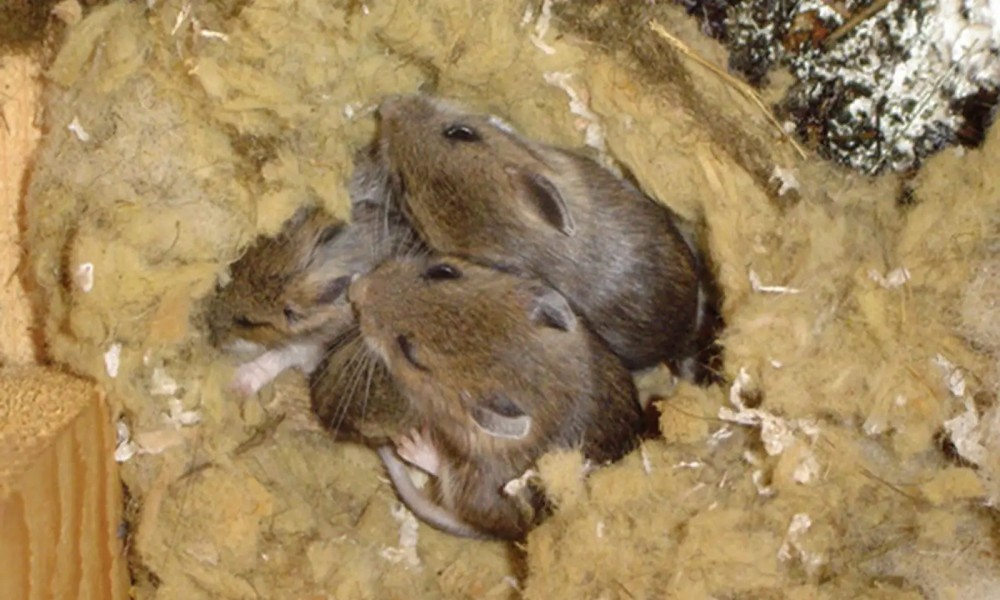
Rodents focus on nest building during winter. They collect soft materials such as insulation, paper, fabric, and cardboard. They usually nest in attics, wall cavities, and stored boxes. Also, they may target garage storage as this is where they can get nesting materials and protection.
Outdoor Activity Does Not Disappear
Mice and rats remain active around foundations, fences, and landscaping features in the winter. Burrows near structures allow quick access to indoor shelter when temperatures drop. Woodpiles, dense shrubs, and debris piles offer these pests cover during cooler nights. Rodent activity may be visible in riverside yards with citrus trees or compost bins.
Noise and Signs Become More Noticeable
Winter brings quieter nights and closed windows. These conditions make rodent sounds easier to notice. Scratching, scurrying, and chewing noises often draw attention after dark. Also, people can easily spot droppings, gnaw marks, and grease trails during winter.
Health and Safety Concerns Increase
Rodents carry bacteria and parasites that pose health risks. Their droppings and urine contaminate surfaces and air quality. Winter infestations increase exposure since rodents spend more time indoors. Chewing on wiring raises fire risk, while damage to insulation affects energy efficiency.
Importance of Winter Prevention
Riverside winters remain mild, so rodent activity never fully stops. Waiting for colder weather to solve the issue may not work. Instead, winter serves as a key period when rodents settle into homes. thus, it is important to seal entry points, reduce food access, and monitor indoor spaces to limit winter infestations.