Borehole and Well Pumps: A Practical Guide to Specification and Installation

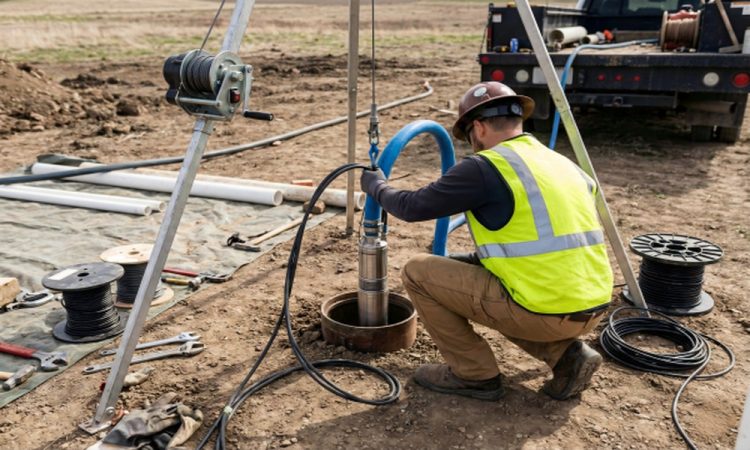
Borehole and well pumps are used across a wide range of domestic, agricultural, and off grid applications in the UK, from rural properties without mains water connection through to farms, smallholdings, and irrigation systems drawing on private groundwater supplies. Getting the specification right matters considerably. A pump that is too small for the required output will fail to meet demand. One that is too large for the borehole casing will not fit and one specified without accounting for the water quality in the borehole may suffer rapid wear. This guide covers the key parameters to establish before selecting a borehole or well pump.
Borehole Diameter: The First Constraint
The inside diameter of the borehole casing is the first and most fundamental constraint in pump selection. Submersible borehole pumps are sized in inches corresponding to the minimum internal casing diameter required. The most common sizes in UK applications are 3 inch and 4 inch, with larger diameters used in agricultural and commercial settings requiring higher outputs.
A pump specified without confirming the casing diameter may simply not fit the installation, and this is one of the most common and easily avoidable procurement errors in borehole pump projects. Always confirm the internal casing diameter before comparing pump specifications. A range of borehole and well pumps covering 3 inch, 4 inch, and larger formats, including solar powered options, is available from specialist UK pump suppliers.
Flow Rate and Total Head
Once the physical constraints are established, the pump must be matched to the flow rate and head requirements of the system. Flow rate is the volume of water the pump must deliver, expressed in litres per minute or cubic metres per hour. Total head is the combined resistance the pump must overcome: the vertical distance from the water surface in the borehole to the highest delivery point (static head), plus the resistance introduced by pipework length, diameter, and fittings (friction head).
Every borehole pump carries a performance curve showing how flow rate changes with increasing head. Sizing the pump against the published curve at the actual total head of the installation, rather than against the zero-head peak flow figure, is essential for confirming the pump will deliver the required output under real operating conditions. Underestimating total head is one of the most consistent causes of a borehole pump that falls short of the required performance.
Water Quality and Suspended Solids
Not all boreholes produce clean, sediment free water. Where the borehole water contains sand, silt, or suspended solids, this must inform the pump selection. Standard clean water pumps will suffer accelerated impeller and seal wear in silty conditions, with predictably shortened service life. Pumps rated to handle water with defined concentrations of suspended solids are available and should be specified wherever borehole water quality cannot be guaranteed to be consistently clean. A sand separator or inlet filter at the pump can also protect both the pump and downstream plumbing from the effects of sediment-bearing water.
Power Supply Options
Most domestic borehole pumps operate on single-phase 230v mains supply. For higher output agricultural and commercial installations, three phase 400v is standard. Where the installation is remote from mains electricity, solar powered borehole pump systems are a well established and increasingly cost-effective alternative. Modern solar borehole systems using MPPT (maximum power point tracking) controllers and permanent magnet motors deliver reliable output across the variable light conditions typical of UK summers, making them viable for off grid domestic water supply, livestock watering, and irrigation applications.
Dry Run Protection
One of the most common causes of premature borehole pump failure is running dry: the water level in the borehole dropping below the pump intake, causing the motor to overheat rapidly without the cooling effect of water flowing through it. Most quality borehole pump installations should include either a low water cutoff switch, a float operated control, or a dry run protection relay that shuts down the pump before the water level falls to a dangerous point. This protection is particularly important in boreholes with limited yield or during periods of high demand or drought conditions.
Frequently Asked Questions
Do I need an abstraction licence to use a borehole pump in the UK?
Abstracting more than 20 cubic metres of water per day from a borehole requires an abstraction licence from the Environment Agency in England; volumes below this threshold are exempt for most private water supply purposes, though the rules differ in Wales and Scotland.
How long should a borehole pump last?
A correctly specified and installed pump from a reputable manufacturer typically lasts 10 to 20 years in domestic service, though longevity depends heavily on water quality, duty cycle, and whether dry run protection prevents overheating events.
Can a borehole pump be used for irrigation as well as domestic supply?
Yes, multi-stage submersible borehole pumps are widely used for garden and agricultural irrigation alongside domestic supply, provided the borehole yield is sufficient to meet the combined peak demand of both uses simultaneously.
What is the difference between a borehole pump and a well pump?
The terms are often used interchangeably, but borehole pumps are designed for narrow drilled boreholes while well pumps may suit wider, shallower dug wells; many modern submersible models are suitable for both applications provided the casing diameter is confirmed.
Final Thoughts
Borehole and well pump specification is primarily a matter of matching the pump’s physical and performance characteristics to the realities of the installation: casing diameter, required flow rate, total head, water quality, and power supply. Establishing each of these parameters before comparing products eliminates the most common causes of poor performance and early failure.
For homeowners, farmers, and contractors sourcing borehole pumps for domestic, agricultural, or off grid water supply applications, a specialist in submersible borehole and well pump systems with a range covering all principal sizes and power configurations provides the product selection and technical support needed to get the specification right.