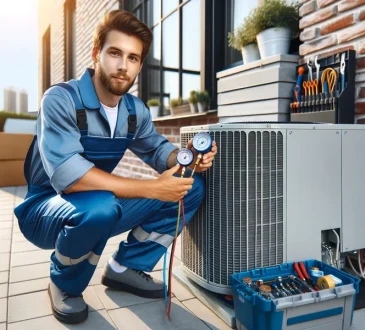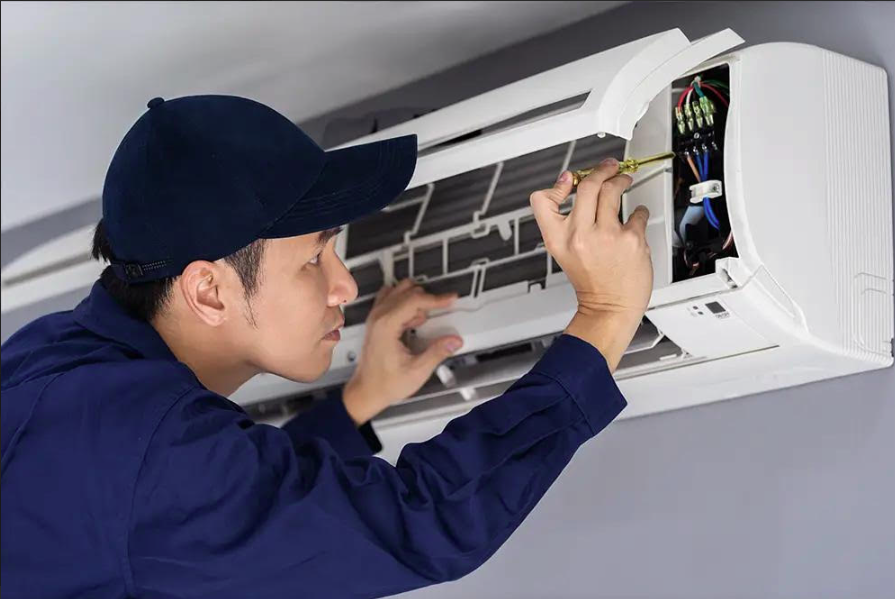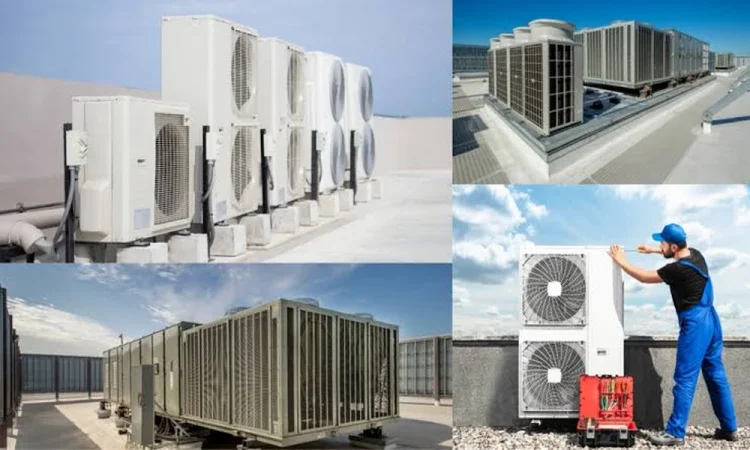
When your heating or cooling system starts acting up, the biggest question is not always how to fix it. It is whether a repair makes sense, whether replacement is the better long-term choice, or whether regular maintenance could have prevented the problem in the first place. Understanding your HVAC options can help you make a practical decision without spending more than necessary.
Your home’s comfort, energy use, and indoor environment all depend on an HVAC system that is properly sized, installed, and maintained. For homeowners looking for reliable Allegheny County HVAC services,knowing when to repair, replace, or maintain equipment can make HVAC decisions much easier.
When HVAC Repair Makes the Most Sense
Not every HVAC problem means you need a new system. In many cases, a professional repair can restore reliable operation at a reasonable cost, particularly when the equipment is relatively new or the problem is isolated.
A repair may be appropriate when the system has otherwise performed consistently and the issue involves a component that can be safely replaced or corrected. Examples include a faulty thermostat, worn electrical component, clogged filter, or problem with an individual mechanical part.
Age matters, but it should not be the only consideration. A well-maintained system may continue operating effectively for years, while a poorly maintained system can develop problems much sooner.
Before approving a repair, ask the technician what caused the problem and whether there are signs of additional wear. A clear explanation can help you avoid repeatedly paying for temporary fixes when a larger issue is developing.
Signs It May Be Time to Replace Your HVAC System
Eventually, repairing an aging HVAC system may no longer be the most practical option. Replacement becomes worth considering when the equipment has become unreliable, repair needs are becoming frequent, or the cost of keeping it operational no longer makes financial sense.
Look for warning signs such as:
- Frequent breakdowns or service calls
- Uneven heating or cooling throughout the home
- Increasing difficulty maintaining the desired temperature
- Unusual noises or persistent odors
- Significant deterioration or corrosion
- Repairs involving major or difficult-to-source components
- A system that is approaching the end of its expected service life
Replacement can also provide an opportunity to address problems with the existing setup. For example, if certain rooms consistently feel too warm or cold, the issue may involve more than the age of the equipment. System sizing, airflow, ductwork, insulation, and thermostat placement can all affect comfort.
A professional evaluation is important before choosing new equipment. Simply replacing an old unit with another of the same capacity does not necessarily solve underlying comfort or efficiency problems.
Why Preventive HVAC Maintenance Matters
Maintenance is the third option homeowners sometimes overlook. Unlike emergency repair or full replacement, preventive maintenance focuses on keeping an existing system operating properly and identifying potential issues before they become larger problems.
Routine HVAC maintenance generally involves inspecting system components, checking operation, cleaning appropriate parts, and identifying signs of wear. Filters also need regular attention because restricted airflow can make the system work harder and may affect indoor comfort.
Maintenance does not guarantee that an HVAC system will never break down. Equipment naturally wears over time. However, regular professional attention can make it easier to identify developing problems and keep small issues from going unnoticed.
Homeowners should also follow the manufacturer’s maintenance recommendations. Different heating and cooling systems have different components and service requirements, so a maintenance approach should be based on the equipment installed in the home.
How to Choose Between Repair and Replacement
The decision becomes easier when you consider the whole picture rather than focusing on the immediate repair bill.
Start by asking four questions: How old is the system? How often has it needed repairs? What is the condition of its major components? And how well does it currently heat or cool the home?
A relatively minor repair on a dependable system may be the obvious choice. On the other hand, if an older unit has recurring problems and struggles to maintain comfortable temperatures, putting more money into repairs may only postpone an eventual replacement.
It is also useful to consider your long-term plans. If you expect to remain in the home for many years, investing in an appropriately selected replacement system may make more sense than continuing to maintain aging equipment. If you are planning to move soon, the calculation may be different.
What to Consider Before Installing a New System
If replacement is the right choice, avoid selecting equipment based solely on price or capacity. An HVAC professional should evaluate the home’s heating and cooling requirements before recommending equipment.
System sizing is particularly important. An oversized or undersized system can affect comfort and operating performance, so the replacement should be matched to the home’s needs rather than simply duplicating the specifications of the old unit.
Also consider the type of system, available features, installation requirements, and ongoing maintenance needs. A good installation is just as important as selecting appropriate equipment.
Ask questions about the recommended system and make sure you understand what work will be performed. A detailed estimate should make it clear what equipment, labor, and related installation work are included.
Common HVAC Mistakes Homeowners Should Avoid
One of the most common mistakes is waiting until a system completely fails before taking action. Sudden breakdowns can leave homeowners making rushed decisions, particularly during periods of extreme weather.
Another mistake is repeatedly repairing a system without considering its overall condition. A single repair may be perfectly reasonable, but several major repairs over a relatively short period deserve a broader evaluation.
Homeowners should also avoid ignoring unusual sounds, inconsistent temperatures, reduced airflow, or other changes in system performance. These signs do not automatically mean a replacement is necessary, but they are worth investigating.
Finally, never treat maintenance as optional simply because the system appears to be working normally. Problems can develop gradually without immediately causing an obvious breakdown.
Conclusion
Repair, replacement, and maintenance each have an appropriate place in HVAC care. The best choice depends on the equipment’s age and condition, the nature of the problem, repair history, household comfort needs, and the cost of keeping the current system operational.
Rather than automatically choosing the cheapest short-term option, look at the system’s bigger picture. A professional inspection can help determine whether your current equipment needs a straightforward repair, would benefit from continued maintenance, or has reached the point where replacement is the more sensible path.
The goal is not simply to keep an HVAC system running. It is to have equipment that provides dependable comfort and fits the needs of your home for the years ahead.