Preparing for Winter: HVAC Maintenance Tips Every Shelton, CT Home Needs

As winter approaches, preparing your heating system becomes one of the most important tasks for homeowners in Shelton, Connecticut. Cold temperatures place added demand on furnaces, heat pumps, and entire HVAC systems, making regular maintenance essential for reliable performance and energy efficiency. Investing in HVAC maintenance Shelton, CT, before the winter season can help prevent unexpected breakdowns, improve indoor comfort, lower heating costs, and extend the lifespan of your equipment.
From replacing air filters to scheduling a professional inspection, taking preventive steps now can save time, money, and stress later. This guide covers practical HVAC maintenance tips every Shelton homeowner should know to keep their home warm, safe, and comfortable throughout the winter while maximizing heating system performance and reducing the risk of costly repairs.
Start with a clean filter.
One of the easiest and most important tasks is replacing or cleaning the air filter. A dirty filter restricts airflow, forcing your HVAC system to work harder than necessary. That extra strain can reduce efficiency and may even shorten the life of the unit.
For many homes, checking the filter once a month during the heating season is a smart habit. If you have pets, allergies, or a busy household, you may need to replace it more often. Even if the filter does not look completely clogged, regular replacement helps keep the system running smoothly and supports better indoor air quality.
Check Vents and Registers
Heating problems are not always caused by the unit itself. Sometimes the issue begins with blocked vents or closed registers in different rooms. Furniture, rugs, curtains, and storage items can all interfere with airflow.
Take a few minutes to walk through your home and make sure supply and return vents are clear. Open registers allow warm air to circulate properly, which helps maintain even temperatures from room to room. If some areas of the house still feel colder than others, it may point to an airflow issue that should be evaluated before winter gets deeper.
Schedule a Professional Inspection
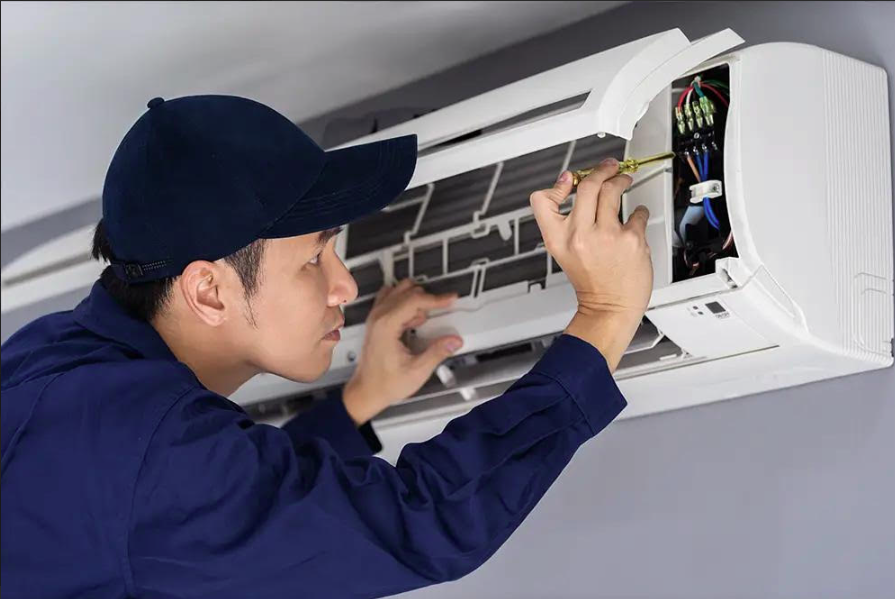
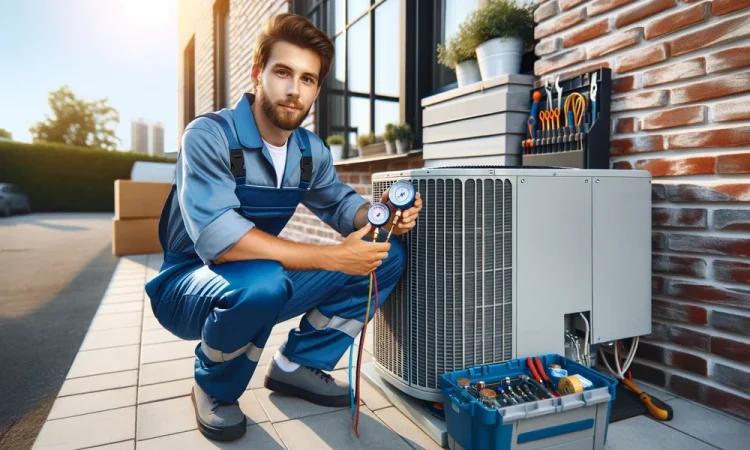
A seasonal inspection is one of the best ways to prepare your heating system for winter. A trained technician can identify worn parts, test the thermostat, inspect electrical connections, check the heat exchanger, and confirm that the system is operating safely.
This kind of preventive service can catch small issues before they turn into expensive repairs. It can also help your system operate more efficiently, which may reduce energy use over the course of the season. In a place like Shelton, where winter weather can be demanding, an inspection before the first major cold snap is a practical investment in comfort and peace of mind.
Pay Attention to the Thermostat
Your thermostat has a bigger impact on winter comfort than many homeowners realize. If it is not working properly, your heating system may run too often, not enough, or at the wrong times. Before winter begins, test the thermostat by turning the heat on and making sure the system responds correctly.
If your thermostat uses batteries, replace them before they die. If you have an older model, consider whether a programmable or smart thermostat could help you manage temperatures more effectively. Setting lower temperatures while you are away or sleeping can improve efficiency without sacrificing comfort.
Seal Drafts Around the Home
Even the best heating system will struggle if warm air is escaping through cracks and gaps. Drafts around windows, doors, attic hatches, and ductwork can make your HVAC system work much harder than it should.
Look for noticeable leaks and seal them with weatherstripping, caulk, or other appropriate materials. Adding insulation in key areas can also help your home hold heat more effectively. These improvements do more than support your HVAC system. They also help maintain a more consistent indoor temperature, which makes the entire house feel cozier during cold weather.
Test Carbon Monoxide Detectors
If your home uses a furnace or any fuel-burning heating equipment, carbon monoxide detectors are essential. Winter is a good time to test every detector in your home and replace batteries if needed. Make sure the units are installed in the right locations and are still within their recommended service life.
Carbon monoxide is dangerous because it cannot be seen or smelled. A functioning detector adds an important layer of protection for your household. It is a simple step, but one that should never be overlooked when preparing heating equipment for the colder months.
Keep the Outdoor Area Clear
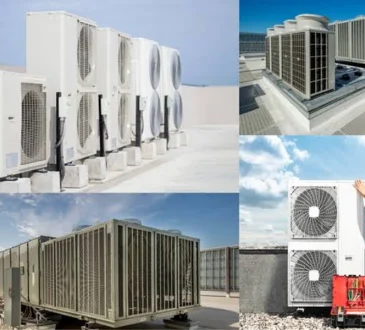
If your home uses a heat pump or has any outdoor HVAC components, keep the surrounding area free of leaves, snow, ice, and debris. Outdoor equipment needs space to function properly, and blocked airflow can affect performance.
After storms, check the area around the unit and gently remove any buildup. Avoid piling snow or storing items near the equipment. Protecting that space helps the system operate efficiently and reduces the risk of unnecessary wear during the winter season.
Listen for Unusual Sounds or Smells
Your heating system often gives warning signs before it fails completely. Unusual noises such as banging, rattling, or squealing may indicate loose or worn components. Strange odors, especially burning or musty smells, can point to electrical issues, dust buildup, or other concerns that should not be ignored.
If something seems off, do not wait until the system stops working. Early attention can prevent more serious damage and may help you avoid a full breakdown during the coldest part of winter.
Know When to Call for Help
Some maintenance tasks are simple enough for homeowners to handle, but others require professional attention. If your system is short cycling, producing uneven heat, failing to start, or driving energy bills higher than expected, it is time to call a qualified HVAC technician.
A professional can diagnose the problem accurately and recommend the right repair or maintenance solution. Acting early is usually more affordable and far less stressful than dealing with an emergency heat failure on a freezing night.
Conclusion
Winter preparation does not have to be complicated. A clean filter, clear vents, a working thermostat, sealed drafts, and a professional inspection can make a meaningful difference in how your HVAC system performs. These small steps help protect your equipment, support energy efficiency, and keep your home more comfortable throughout the season.
For Shelton homeowners, preparing before the first heavy cold spell arrives is the smartest way to avoid last-minute problems. With the right maintenance routine in place, your heating system can do its job reliably all winter long.