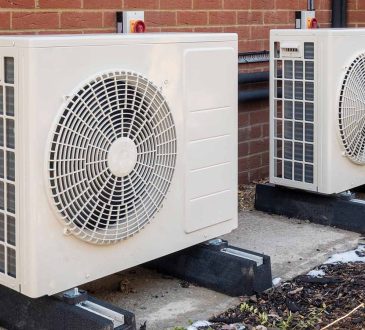
A privately owned dehumidifier being retired needs an authorized disposal route of its own. Richmond Hill lists dehumidifiers among the appliances eligible for its scheduled collection service, subject to the property’s eligibility and an appointment. If temporary equipment is also being hired, keep that booking separate: a rental delivery is not an agreement to remove your old appliance.
Put the old appliance on the municipal collection enquiry
An obsolete machine can spend months in a utility-room corner after everyone has agreed it should go. The reason may be surprisingly practical. Nobody has checked whether it belongs with ordinary garbage, requires a different collection or should be taken somewhere else. Calling it “the old dehumidifier” becomes a household label rather than a disposal plan.
The City of Richmond Hill’s large-appliance and metal-goods page supplies a specific route. It includes dehumidifiers and humidifiers in its accepted appliance list and describes monthly collection by appointment. It also identifies York Region waste depots as a drop-off alternative. An appointment is therefore part of the city pickup option, rather than a universal requirement for every permitted disposal route.
Choose which route you are actually investigating before arranging transport or moving the appliance. A household unable to take it to a depot may prefer to enquire about municipal collection. Another may investigate an appropriate drop-off location. Read the current directions for that route and confirm any uncertainty with the responsible service.
Do not dismantle the appliance to make it fit a category you assume is easier to discard. Its components and any refrigerant are not a household sorting project. If there is a particular condition, damage or manufacturer instruction affecting the unit, describe it when seeking appropriate disposal advice. This article does not provide appliance servicing or preparation procedures.
The building’s collection arrangement determines who books
The city service is available to residential properties receiving municipal waste collection. That detail matters before someone organizes the rest of the task around it. Living in Richmond Hill does not by itself answer every collection question for every property. Check the actual building’s arrangement rather than borrowing an answer from a friend in a different housing type.
For an apartment or condominium building, the city says its online collection form must be completed by a building representative, such as the property manager, superintendent, security or concierge. A resident should therefore begin with that representative. Sending an independent request without checking the building’s process can leave the appliance and the collection contact in different systems.
Give the representative a precise description of the item and ask how the building coordinates the collection. The shared waste room is not automatically a permitted holding place for any unwanted appliance. Use the building’s directions for access and placement, and have suitable assistance arranged for any movement that is needed.
If the property does not qualify for the municipal route described, ask about the appropriate alternative. Do not leave the machine outside in the hope that a scheduled crew will take it anyway. The useful result of the enquiry is an accepted route for this appliance from this property, with the relevant directions understood.
Temporary equipment answers the room’s current need
Disposing of an owned machine and deciding how to manage a room are related only where the household’s circumstances connect them. A broken appliance does not establish why the room is damp or what equipment it currently needs. Obtain appropriate advice about that need, especially where a leak, water damage or another unresolved building concern is involved.
If an appropriate temporary hire is part of the resulting plan, the Richmond Hill dehumidifier-hire page is a separate enquiry route. Discuss the actual room and equipment requirements with Drying Equipment. Do not treat the rental arrival as a municipal disposal appointment or assume the provider has agreed to take ownership of the retired appliance.
This lets the two tasks move at different speeds. The room may require attention before the next available disposal event. Equally, an old machine can be removed through an appropriate route even if the household has not decided to hire anything. Neither task needs to be folded into an invented bundle of services.
Give the two machines separate destinations
In an illustrative household, an owned unit is awaiting agreed disposal while a hired unit is serving a temporary purpose. They are both called dehumidifiers, but their destinations are different. The old owned unit is going through the selected disposal route. The hired unit remains the rental provider’s property.
Make that distinction clear to anyone helping with appointments. A relative told only to “get the dehumidifier ready for pickup” may not know which one is meant. Identify the actual item in the municipal or building arrangement and keep the rental provider’s collection communication attached to its own booking.
A safe visual reference may help when two machines look alike. Use the ordinary description or identifying information available without moving or opening equipment. The goal is to prevent a mix-up, not to create another technical inspection. If someone else is handling the collection, ensure they know which organization is expected for which item.
Keep the rental out of the disposal staging arrangement. Do not place provider-owned equipment among items marked for removal simply to clear floor space. Any change to its location or handling should follow the hire’s actual instructions. Household decluttering should not accidentally give a second crew control of a machine that belongs to someone else.
Finish the disposal task on its own terms
Before the planned disposal event, check the current city, depot or building directions relevant to the chosen route. Follow those directions and use competent handling assistance where needed. An old reminder saved months ago may omit a change to the appointment or property arrangement.
Afterward, establish that the intended appliance actually left through the accepted route. If collection did not occur, contact the responsible service about that missed event. Do not quietly convert a failed appointment into permission to abandon the item elsewhere or assume the rental driver will solve it during another visit.
The result is a completed household disposal task with a clear destination for the privately owned machine. Any temporary rental can continue and end under its own agreement. Removing an obsolete appliance clears the corner; the room’s moisture question remains with the separate advice and work intended to address it.