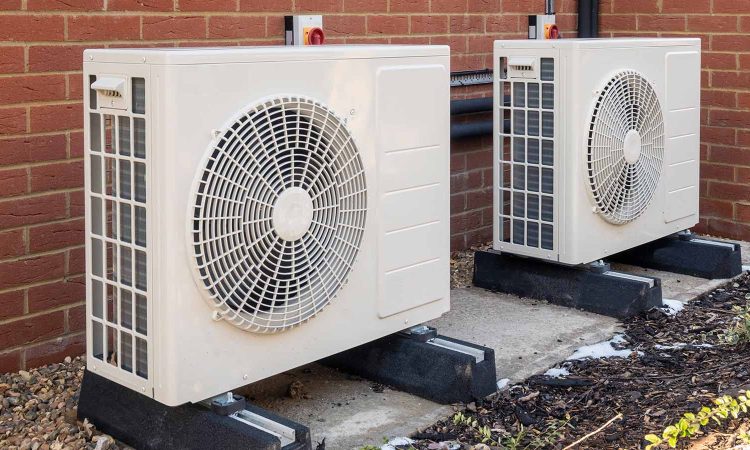
Plenty of homeowners assume that going electric means hauling the gas furnace out to the curb. In practice, a growing number of central New Jersey houses are doing something more measured. They keep the furnace, add a heat pump outside, and let the thermostat decide which one runs based on the weather. The setup is called dual fuel, sometimes hybrid heat, and it suits the way winters actually behave between Raritan Bay and the Pine Barrens.
For a sense of how this looks on real equipment, the team at Crystal Air Associates Inc in Marlboro has been fitting Carrier heat pumps and furnaces into homes and commercial spaces around the region for more than 45 years, working as a licensed and insured shop that handles installation, repair and ongoing upkeep.
The Thermostat Becomes the Referee
A dual fuel system follows one rule at its core. Above a certain outdoor temperature, the heat pump carries the house. Below it, the furnace takes over. That dividing line is called the switchover point or balance point, and getting it right is where most of the savings live.
There are really two balance points worth knowing. The thermal one is the temperature at which the heat pump can no longer produce enough warmth to match what the house is losing. For a reasonably tight home with a properly sized unit, that often lands somewhere in the 20s. The economic one is the temperature at which running the heat pump starts costing more than burning gas. That number depends on your electric rate, your gas price and each machine’s efficiency, so it shifts from house to house.
A heat pump moves heat rather than making it. On a 45 degree afternoon, a modern unit can deliver three or more units of heat for every unit of electricity it draws. As the air outside gets colder, that ratio shrinks. A high efficiency gas furnace, on the other hand, turns out roughly the same output whether it is 40 degrees or 10. The crossover is where those two cost curves meet, and the thermostat is set to flip right at that spot.
Central Jersey Winters Mostly Live in the Middle
This is the reason the pairing makes so much sense locally. The coldest design days in Monmouth and Middlesex counties usually sit in the low teens, yet the bulk of the heating season is spent in the 30s and 40s. Those mild, damp hours from November into December, and again through March, are exactly where heat pumps shine. A furnace that only fires on the handful of bitter nights each winter runs far fewer hours, which tends to stretch its working life as well.
Equipment choice still matters. Some heat pumps hold their output far better in the cold than others, and the Northeast Energy Efficiency Partnerships maintains a cold climate air source heat pump product list showing how specific models perform at 5 and 17 degrees, not just at the mild test conditions printed in brochures. Checking a model there before signing is a sensible habit.
What Changes in the Basement and the Yard
Adding a heat pump to an existing furnace is usually less disruptive than people expect. The work tends to touch a handful of specific pieces.
- The outdoor unit. The old air conditioning condenser is replaced with a heat pump, which looks nearly identical but can run in reverse during winter.
- The indoor coil. The coil sitting on top of the furnace needs to match the new outdoor unit, and it has to sit downstream of the furnace heat exchanger so hot furnace air never overheats the refrigerant.
- The controls. A thermostat or control kit built for dual fuel decides which machine runs, locks the other one out, and manages defrost cycles.
- The refrigerant lines. Existing line sets are sometimes reused after a pressure test and flush, though older or undersized lines are often swapped out.
- The electrical side. A heat pump may need a different breaker size than the AC it replaces, and a quick panel check avoids surprises on install day.
One detail homeowners appreciate is how defrost gets handled. Many dual fuel systems briefly fire the furnace while the outdoor coil clears its frost, which keeps a blast of cool air from coming out of the registers on a January morning.
Three Houses, Three Different Answers
The math shifts with the house, and a few common central Jersey layouts show how.
The 1970s split level with a tired furnace
Here the furnace may be close to the end of its life anyway. Pairing a new high efficiency furnace with a heat pump gives the home decades of runway. The original ductwork, often undersized for modern airflow, deserves a careful look before any new equipment goes in.
The newer colonial with a young furnace
When the furnace is under ten years old and the air conditioner is failing, this is the textbook case. Replacing only the AC with a heat pump and upgrading the controls turns an ordinary cooling replacement into a heating upgrade for a modest added cost.
The older home still burning oil
Heating oil is usually the priciest fuel per unit of heat, which pushes the economic balance point much lower. Some of these homeowners end up leaning on the heat pump for most of the winter and treating the oil burner purely as backup. Others use the project as a first step toward retiring the tank entirely.
Small Missteps That Cancel Out the Savings
The most common error is setting the switchover temperature too high out of caution. A system told to hand off to gas at 40 degrees will barely use its heat pump in a Jersey winter. Revisiting that setting once a few real utility bills arrive is often worth more than any equipment upgrade.
Sizing is another trap. A heat pump picked only for summer cooling may come up short in winter, while one sized far too large will short cycle in July and leave rooms feeling clammy. A proper room by room load calculation, the kind laid out in the industry’s Manual J method, settles that question with numbers instead of guesswork.
Ductwork gets overlooked too. Air from a heat pump feels cooler at the register than furnace air, often landing in the 90s rather than the 120s, so leaky or poorly balanced ducts become far more noticeable. Sealing and balancing them can be the difference between a system that feels cozy and one that feels drafty.
Finally, energy prices move. A time of use electric plan or a swing in gas costs can shift your ideal balance point by several degrees. The beauty of dual fuel is that it adapts with a few taps on the thermostat. The furnace you already own does not have to be retired to make your home more efficient. It simply needs a capable partner and a clear set of rules for when to step in.