How to File a Construction Defect Claim Against a Contractor in Alabama and Florida

Construction projects involve significant investment, and when something goes wrong due to poor workmanship or negligence, the financial and structural consequences can be severe. Property owners in Alabama and Florida often face issues ranging from water intrusion and foundation cracks to unsafe electrical systems and structural instability. Understanding how to properly pursue a claim is essential if you want to recover damages and protect your property value.
This guide explains the key steps in filing a construction defect claim, the legal basis for such cases, and why working with a qualified attorney is often critical-especially when dealing with complex disputes involving contractors and builders.
Understanding Construction Defect Claims
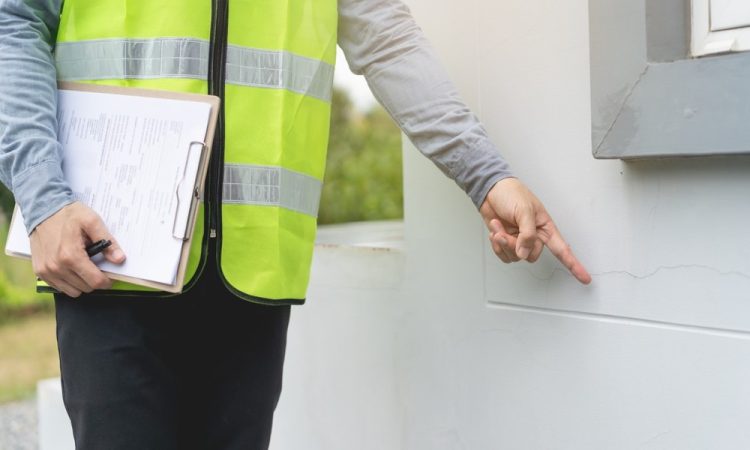
A construction defect claim arises when a contractor, builder, or developer fails to meet professional standards or violates building codes, resulting in property damage or safety risks. These defects may be obvious immediately after construction or may surface years later.
Common examples include:
- Structural cracks or foundation failure
- Roofing leaks and water intrusion
- Poor electrical or plumbing installation
- Mold growth due to improper sealing
- Use of substandard materials
In both Alabama and Florida, these issues can form the basis of a legal claim under negligence, breach of contract, or warranty violations.
When these failures occur, property owners may pursue a building defect lawsuit to recover repair costs, compensation for damages, and sometimes additional losses such as loss of use or diminished property value.
Legal Grounds for Filing a Claim
Most construction defect cases rely on one or more legal theories:
1. Contractor Negligence
If a contractor fails to follow industry standards or building codes, they may be held liable for resulting damages. A contractor negligence attorney often proves that the work fell below the expected standard of care.
2. Breach of Contract
When the construction agreement specifies certain materials, timelines, or quality standards, failure to meet those terms can justify a claim.
3. Warranty Breach
Many construction projects include express or implied warranties. A warranty breach construction claim arises when defects appear within the warranty period and the contractor refuses to fix them.
4. Statutory Claims
Both Alabama and Florida have statutes governing construction defects, including notice requirements and limitation periods that must be followed carefully.
Steps to File a Construction Defect Claim
Step 1: Identify and Document the Defects
The first step is to carefully inspect and document all visible and hidden issues. This includes:
- Photos and videos of damage
- Written descriptions of defects
- Repair estimates from professionals
- Communication records with the contractor
Strong documentation is essential for building a strong case.
Step 2: Notify the Contractor
In many cases, especially in Florida, you are required to formally notify the contractor and give them an opportunity to inspect and repair the defect before filing a lawsuit. This is a critical step in the pre-litigation process.
Step 3: Review Contracts and Warranties
Examine your construction agreement for warranty terms, dispute resolution clauses, and timelines. Many disputes hinge on whether the contractor met contractual obligations or violated express warranties.
Step 4: Consult a Construction Defect Attorney
At this stage, it is highly advisable to consult a specialist such as a defective construction lawyer Florida depending on your location.
An experienced attorney will:
- Evaluate the strength of your claim
- Determine liability
- Interpret construction contracts and warranties
- Ensure compliance with state-specific laws
- Handle negotiations or litigation
Legal representation significantly increases the chances of obtaining fair compensation.
Step 5: Attempt Settlement or Mediation
Many construction defect cases are resolved outside of court through negotiation or mediation. Contractors and insurers often prefer settlement to avoid costly litigation. However, settlements should be carefully reviewed to ensure they fully cover repair costs and future risks.
Step 6: File a Lawsuit if Necessary
If settlement efforts fail, the next step is filing a formal lawsuit. This is where a Sue for Construction Defects strategy is implemented through the courts.
Your attorney will present evidence, expert testimony, and legal arguments to prove liability and damages. In complex cases, expert engineers or inspectors may be required to demonstrate the extent of the defects.
Florida vs. Alabama Construction Defect Laws
While both states allow homeowners to pursue claims, there are important differences:
Florida
Florida has strict pre-suit notice requirements under construction defect statutes. Homeowners must allow contractors an opportunity to inspect and repair before litigation. This makes working with a defective construction lawyer Florida particularly important to avoid procedural mistakes.
Florida also has detailed statutes of limitation and repose that limit how long after construction a claim can be filed.
Alabama
Alabama construction defect claims are generally governed by contract law and negligence principles. A construction defect attorney Alabama typically focuses on proving breach of duty or contract violations. While Alabama does not have as rigid pre-suit requirements as Florida, timing and evidence still play a critical role.
Why Legal Representation Matters
Construction defect cases are often complex, involving multiple parties such as contractors, subcontractors, engineers, and insurance companies. Without proper legal guidance, property owners may struggle to recover full compensation.
An experienced Defective Construction Lawyers team can:
Legal expertise is especially important when dealing with large-scale structural defects or disputes involving commercial properties.
Final Thoughts
Filing a construction defect claim is not just about pointing out poor workmanship-it requires careful documentation, legal strategy, and a clear understanding of state-specific laws. Whether you are dealing with a minor structural issue or a major construction failure, taking timely action is essential.
Property owners in Alabama and Florida should not delay in seeking professional help, especially when dealing with contractors who refuse to take responsibility. Consulting a skilled attorney can make the difference between a denied claim and a successful recovery.
By understanding your rights and following the correct legal process, you can effectively address construction defects and protect your investment for the future.