Whole-Home Standby Generator Installation in Austin, Texas: Sizing, Load Calculations, and Real-World Costs

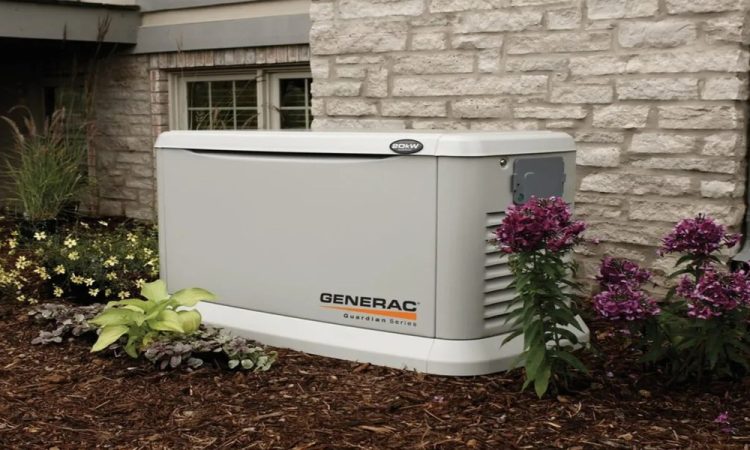
Power outages in Austin, Texas aren’t just inconvenient-they can shut down your HVAC in triple-digit heat, spoil thousands of dollars in groceries, and even disrupt home businesses. That’s why more homeowners are exploring Standby Generator Installation as a long-term solution for reliable backup power.
But here’s the reality: installing a standby generator isn’t as simple as picking a unit off the shelf and plugging it in. If you want a system that actually performs when the grid goes down, you need to understand load calculations, proper sizing, and the true costs involved-especially in a city like Austin where homes often include high-demand systems like EV chargers and large HVAC units.
This guide breaks it all down in a practical, real-world way so you can make an informed decision.
Why Austin, Texas Homeowners Are Investing in Standby Generators
Austin’s rapid growth has put pressure on infrastructure, and severe weather-whether it’s ice storms or summer grid strain-has made outages more common than many residents expected.
A professionally planned Standby Generator Installation gives you:
- Automatic power restoration within seconds
- Protection for HVAC systems during extreme heat
- Backup for refrigerators, freezers, and medical devices
- Continued operation of security systems and internet
But the real benefit? Peace of mind that your home stays functional no matter what’s happening outside.
Understanding Load Demand: The Foundation of Everything
Before choosing a generator, you need to know how much power your home actually uses. This is where many homeowners (and even inexperienced installers) go wrong.
Step 1: Identify Major Electrical Loads
In Austin, Texas homes, your biggest energy consumers typically include:
- HVAC systems (central AC units can draw 3,000-6,000 watts or more at startup)
- Electric water heaters
- Kitchen appliances (ranges, ovens, refrigerators)
- Laundry equipment
- Pool equipment
- EV chargers (a major factor in modern homes)
Step 2: Understand Starting vs. Running Watts
Some appliances-especially HVAC compressors-require a surge of power when they start. This is called starting wattage, and it can be 2-3 times higher than running wattage.
If your generator isn’t sized to handle that surge, you’ll experience:
- System overloads
- Breaker trips
- Equipment that simply won’t start
Step 3: Perform a Load Calculation
A professional electrician will typically:
- Add up all essential loads (in watts or amps)
- Factor in startup surges
- Apply diversity factors (not everything runs at once)
- Determine peak demand
For example, a typical Austin, Texas home might look like this:
- HVAC: 4,500W (running), 9,000W (startup)
- Refrigerator: 700W
- Lighting and outlets: 1,500W
- Water heater: 4,500W
- EV charger: 7,200W
That’s already pushing well beyond what a small generator can handle.
Generator Sizing: Where Most Mistakes Happen
Once you know your load, the next step is choosing the right generator size. This is where many homeowners overspend-or worse, undersize.
Common Sizing Mistakes
1. Choosing Based on Square Footage Alone
Square footage is not a reliable indicator of electrical demand. A 2,000 sq ft home with an EV charger and pool can use more power than a 3,500 sq ft home without them.
2. Ignoring HVAC Startup Loads
This is one of the biggest reasons generators fail under real conditions.
3. Overestimating “Whole-Home” Needs
Not every circuit needs to be backed up. Trying to power everything can dramatically increase cost.
4. Underestimating Future Needs
Planning to install an EV charger or add a pool? Your generator should account for future upgrades.
Whole-Home vs. Partial Backup: What’s Right for You?
Not every home needs a full-capacity generator. In fact, many Austin, Texas homeowners benefit more from a partial backup strategy.
Whole-Home Backup
Pros:
- Seamless experience-everything works as usual
- No need to manage circuits during outages
Cons:
- Higher upfront cost
- Larger generator required
- Increased fuel consumption
Partial Backup (Essential Circuits Only)
Pros:
- Lower cost
- Smaller generator
- More efficient operation
Cons:
- Limited power availability
- Requires planning which circuits matter most
A common approach is to prioritize:
- HVAC (or at least one unit)
- Refrigerator and freezer
- Lighting
- Internet and office equipment
- Garage door
This hybrid mindset often delivers the best balance between cost and functionality.
Real-World Costs in Austin
Let’s talk numbers-because pricing is often where expectations don’t match reality.
Typical Cost Breakdown
For a professional Standby Generator Installation in Austin, homeowners generally pay:
- Generator unit: $5,000 – $15,000+
- Installation labor: $3,000 – $10,000
- Electrical upgrades: $1,500 – $5,000
- Permits and inspections: $500 – $2,000
- Gas line installation (if needed): $1,500 – $5,000
Total Project Cost
- Partial backup systems: $10,000 – $18,000
- Whole-home systems: $18,000 – $35,000+
High-end homes with multiple HVAC systems or EV charging setups can exceed this range.
What Drives Cost Up
- Long distance between generator and electrical panel
- Limited access for installation
- Upgrading outdated electrical panels
- Complex load management systems
- HOA or permitting requirements
Fuel Types: Natural Gas vs. Propane
In Austin, most standby generators run on natural gas, which is typically the most convenient option.
Natural Gas
- Continuous supply (no refueling)
- Lower maintenance
- Ideal for long outages
Propane
- Useful in areas without gas lines
- Requires tank installation
- Limited runtime depending on tank size
Your choice often depends on what’s already available at your property.
Can You Install a Standby Generator Yourself?
This is where it’s important to be direct: this is not a typical DIY project.
A proper Standby Generator Installation involves:
- High-voltage electrical connections
- Automatic transfer switch integration
- Gas line installation
- Load balancing and circuit management
- Local permits and inspections
Risks of DIY Installation
- Electrical hazards (including fire risk)
- Code violations
- Voided manufacturer warranties
- Failed inspections
- Insurance complications
Even highly skilled, handy homeowners often underestimate the complexity involved.
Why Hiring a Licensed Electrician Matters
In Texas, generator installations must meet strict electrical and building codes. A licensed electrician ensures:
- Safe and compliant installation
- Accurate load calculations
- Proper generator sizing
- Seamless integration with your home’s electrical system
For something that directly impacts your home’s safety and reliability, this is one area where cutting corners rarely pays off.
Final Thoughts: Getting It Right the First Time
A well-executed Standby Generator Installation is one of the most valuable upgrades you can make to your home in Austin-but only if it’s done correctly.
The key takeaways:
- Load calculations are everything-guessing leads to problems
- Generator sizing should match real usage, not assumptions
- Partial backup systems can offer better value than whole-home setups
- Costs vary widely depending on complexity, not just equipment
- Professional installation isn’t optional-it’s essential
If you’re considering a generator, start with a professional assessment of your home’s electrical demand. That one step alone can save you thousands of dollars-and ensure your system actually works when you need it most.