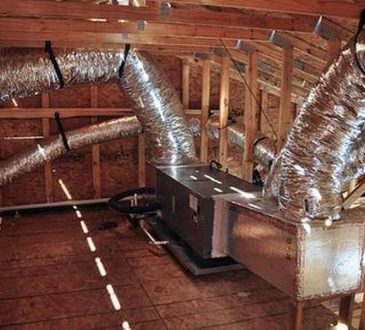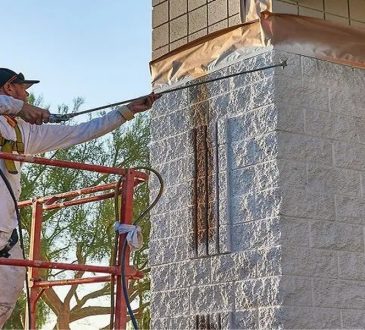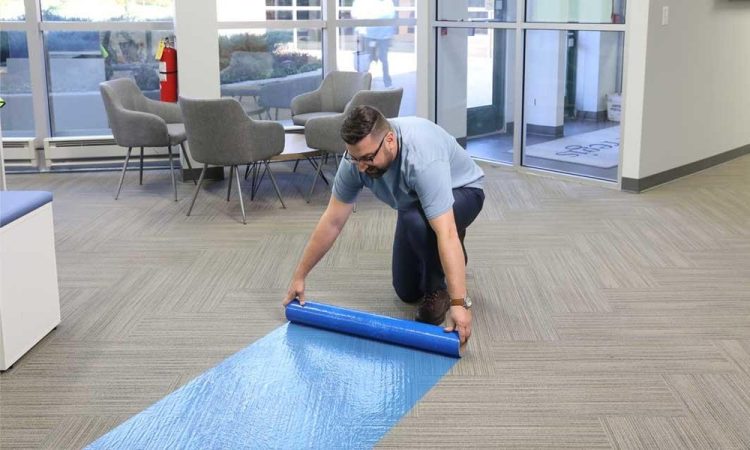
Home renovation projects can greatly enhance a property’s appearance and value-but they also introduce a significant risk of surface damage. Dust, scratches, paint spills, and tool impact can easily ruin floors, windows, countertops, and fixtures if they are left unprotected.
This is where temporary protection films prove to be a smart, cost-effective solution.
What Are Temporary Protection Films?
Temporary protection films are specially engineered materials designed to shield surfaces during construction, remodeling, or maintenance work. These films are typically made from polyethylene (PE), polypropylene (PP), or other durable polymers, combined with pressure-sensitive adhesives that allow easy application and clean removal.
Unlike traditional protective methods such as cardboard, drop cloths, or plastic sheets, these films adhere directly to surfaces, creating a secure barrier that stays in place even in high-traffic or high-dust environments.
Why Renovation Projects Need Surface Protection
Renovation sites are inherently messy and unpredictable. Workers move tools and materials constantly, increasing the risk of accidental scratches and dents. Dust from cutting, sanding, and drilling can settle on surfaces, causing long-term damage or requiring extensive cleaning.
Temporary protection films address several key challenges:
- Prevent Surface Scratches and Impact Damage
Floors, glass, stainless steel, and decorative panels are highly vulnerable during renovations. Protection films act as a physical barrier against abrasions, tool drops, and heavy foot traffic. - Shield Against Dust, Paint, and Debris
Fine dust particles and paint splashes can permanently affect finishes. When applied correctly, protective film keeps surfaces clean, protected, and intact throughout the entire project. - Maintain Aesthetic Quality
High-end materials such as marble, hardwood, and coated metals require extra care. Protection films maintain the original finish of materials, minimizing the need for costly repairs or replacements.
Key Features of High-Quality Protection Films
Not all protection films perform equally. Choosing the right product can significantly impact project efficiency and final results.
- Stable Adhesion Without Residue
The film must stay firmly in place during the renovation process but should be easy to remove without leaving adhesive marks. - Durability and Tear Resistance
Premium-quality films are designed to endure heavy foot traffic, equipment movement, and demanding job site conditions. - Moisture and Chemical Resistance
Renovation environments often involve water, cleaning agents, or solvents. A good protection film resists these elements without degrading. - Breathability (for Certain Surfaces)
For materials like hardwood floors, breathable floor protective films allow moisture to escape, preventing damage such as discoloration or warping.
Applications Across Different Surfaces
Temporary protection films are versatile and can be used on a wide range of surfaces:
- Flooring: Hardwood, tile, marble, vinyl, and concrete
- Glass: Windows, doors, mirrors, and partitions
- Metal: Stainless steel panels, elevators, appliances
- Cabinetry and Countertops: Wood, laminate, quartz, and stone
- Walls and Decorative Surfaces: Painted walls, panels, and fixtures
Each surface may require a different type of adhesive strength or film thickness, making customization an important factor.
Cost Savings and Efficiency
While temporary protection films add a small upfront cost, they significantly reduce the risk of expensive repairs and delays. Surface damage often leads to costly rework, driving up labor expenses and delaying project completion.
By using protective films:
- Contractors can minimize rework and material waste
- Property owners avoid unexpected repair expenses
- Projects are completed faster and more efficiently
In many cases, the cost of protection films is negligible compared to the potential losses from damaged surfaces.
Best Practices for Use
To ensure optimal performance, proper application and regular inspection are critical:
- Clean the Surface Before Application
Clean surfaces thoroughly by removing dust and debris to promote strong adhesion. - Apply Evenly Without Air Bubbles
Smooth application prevents weak spots where damage could occur. - Inspect Regularly
Inspect for signs of wear, peeling, or damage-particularly in high-traffic areas. - Remove Promptly After Completion
Avoid leaving films on surfaces longer than recommended to ensure clean removal.
Conclusion
Temporary protection films are more than just a precaution-they are a smart investment in quality and efficiency. By safeguarding surfaces from damage, they help maintain the integrity of materials, reduce costs, and ensure a smoother renovation process.
In today’s fast-paced construction and remodeling environment, using temporary protection films is not just an option-it’s a best practice for professionals who value both performance and results.