How Does a Home’s Foundation Type Affect Outdoor Heat Pump Installation?

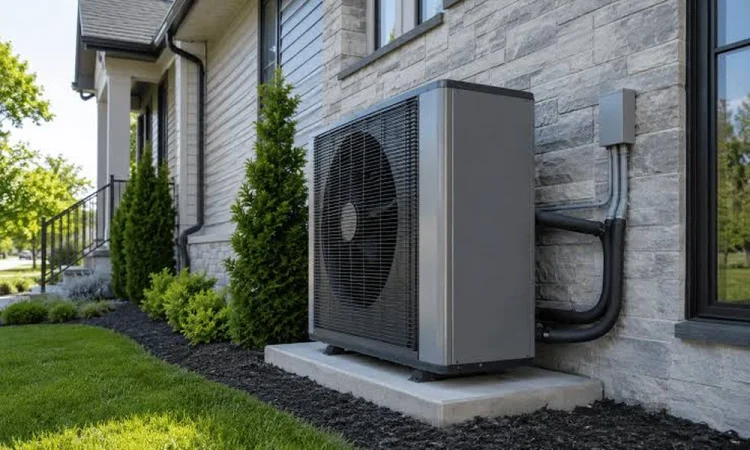
Installing an outdoor heat pump involves more than choosing a convenient spot beside your home. The surface and foundation beneath or behind the unit matter, too. A stable installation keeps equipment level, reduces vibration, and supports reliable operation. So, how does your home’s foundation affect the process?
Concrete Slab Foundations
A concrete slab or patio can provide a strong base for an outdoor heat pump. The surface must be level, stable, and large enough to support the equipment. If it is cracked, uneven, or poorly drained, the installer may need to repair it or add a separate mounting pad.
Proper clearance beneath the unit is important. It allows water to drain and makes it easier to remove dirt and leaves during maintenance.
Raised Foundations and Crawl Spaces
Homes with raised foundations or crawl spaces may have more options for outdoor unit placement. A heat pump can often sit on a dedicated concrete pad beside the home. In some cases, wall brackets may work when approved for the equipment and securely attached to a suitable structural surface.
The installer must consider the ground, too. Soft soil, slopes, and areas where water collects can affect the support needed. A firm, well-drained base helps prevent shifting and keeps the unit level.
Pier and Post Foundations
Some homes are built on piers or posts, especially on sloped lots. This foundation style does not prevent heat pump installation, but it can limit where the outdoor unit should go. The equipment should not be attached to a deck or support that cannot handle its weight and vibration.
A separate ground-level pad or properly engineered mounting system may be a better choice. Anti-vibration mounts can help reduce noise traveling into the home.
Why Placement and Drainage Matter
Southern California homes face different site conditions, from compact yards in Orange County to sloped properties in Riverside County. Installers need to check airflow clearance, service access, drainage, and distance from windows or outdoor living areas. Heat pumps also release water during operation, so placement should direct drainage away from walkways and the home’s foundation.
Plan Your Heat Pump Installation
Your home’s foundation type helps determine the safest mounting option, but every property is different. A professional assessment can identify the right location, base, and clearances before installation begins.
Planning to upgrade your home’s comfort? Service Champions provides heat pump installation across Southern California, including Los Angeles, Orange, Riverside, and San Bernardino counties. Contact the team to discuss your home, explore your options, and request a free estimate.